Lower back pain relief follows a ladder, and the evidence is clear about where to start. Step one is movement, not rest. Heat, over-the-counter anti-inflammatory tablets and structured exercise come next, while injections and surgery belong to a small group of specific cases. Most low back pain improves within a few weeks without invasive treatment at all, the NHS notes.
This article walks up that ladder one rung at a time. Each step lists what it involves, what the strongest guidance says about it, and the moment it makes sense to move up. Red flags, listed near the end, can change the plan entirely.
Step one for lower back pain relief: keep moving
Staying active is the foundation. NICE guidance on low back pain and sciatica tells clinicians to help people self-manage, with clear encouragement to continue normal activities. The NHS agrees: stay active, keep up daily routines, and avoid long periods in bed, which tend to slow recovery rather than speed it.
Walking is often the easiest first step in lower back pain relief. A short daily walk at a comfortable pace, increased gradually, keeps the back moving without overloading it. Swimming and gentle stretching belong in the same tier. Readers following this should also see Stretches for lower back pain: five moves, step by step.
Heat, cold and pharmacy counter options
Heat and cold are modest but real tools. The NHS suggests cold packs, wrapped in a towel, for pain and swelling, and heat packs for stiffness or muscle spasm. MedlinePlus lists hot or cold packs and exercise among the standard treatments for back pain. This connects to our earlier piece, Lower right back pain: muscle strain or something deeper.
For medicine, the guidance is specific. NICE recommends oral NSAIDs at the lowest effective dose for the shortest possible time, and states plainly that paracetamol alone should not be offered for low back pain. Ibuprofen does not suit everyone, so a pharmacist or clinician should confirm the choice first.
Exercise programmes and physical therapy
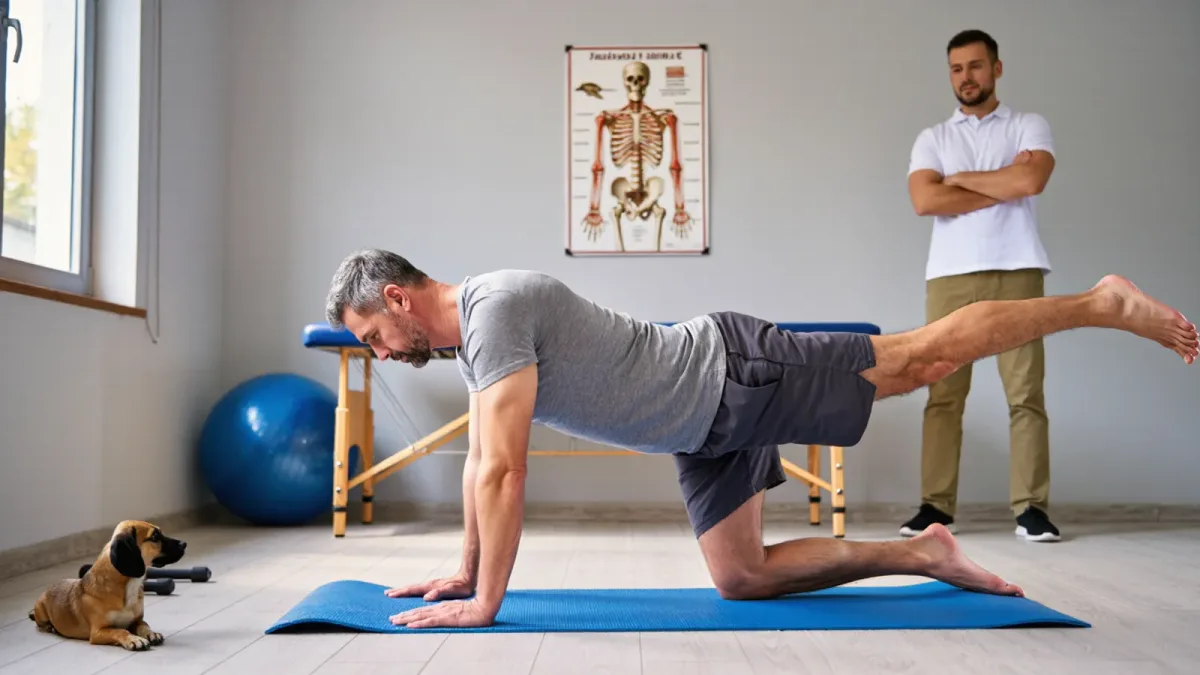
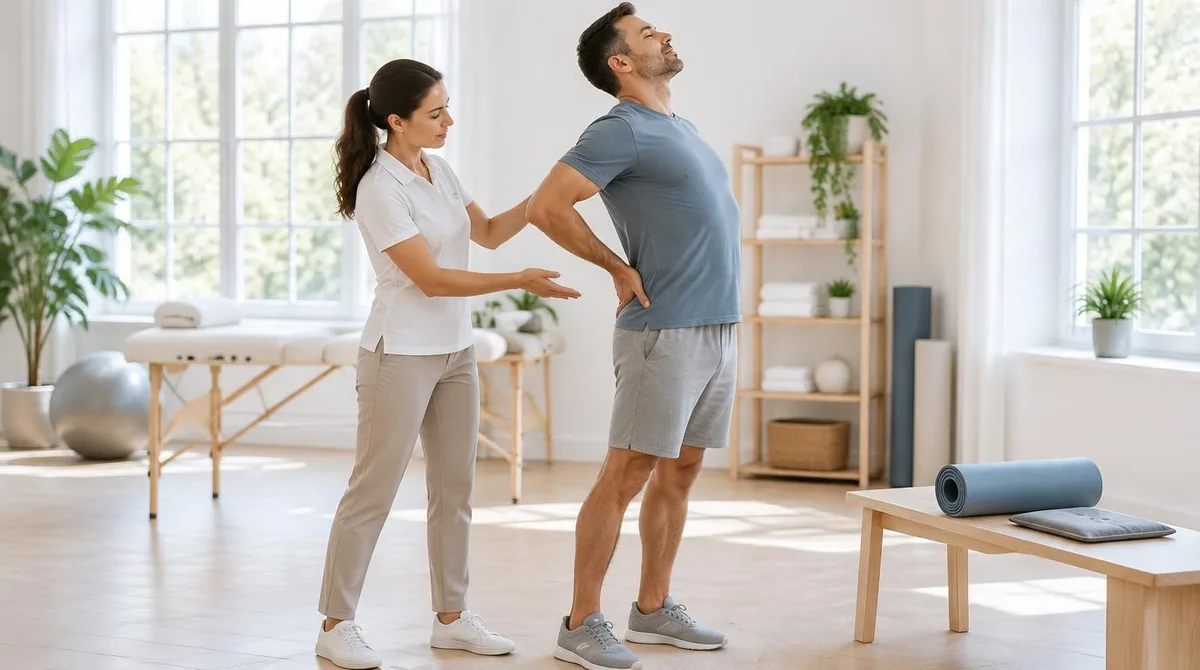
When home measures are not enough, guided movement takes over. NICE advises considering a group exercise programme, which may be biomechanical, aerobic, mind-body or a mix, and manual therapy such as spinal manipulation or massage only as part of a package that includes exercise. A physical therapist can turn the same principle into an individual plan, and this tier guides most lasting lower back pain relief beyond the first weeks.
This tier matters because it treats what most episodes share: a back that moves less than it should. Weeks of guided work often outperform whatever is bought over a counter in the meantime.
Injections and surgery: rarely the answer
The top of the ladder is narrow on purpose. NICE states that spinal injections should not be offered for low back pain itself, that epidural injections have a place only for acute and severe sciatica, and that spinal fusion is not a routine option. Surgery enters the conversation only when non-surgical treatment has failed and imaging matches the symptoms.
A separate set of symptoms bypasses the ladder completely. The NHS lists emergency signs that call for immediate care rather than another round of self-care:
- Numbness, weakness or pain in both legs
- Loss of feeling around the genitals, or bladder and bowel changes
- Back pain with chest pain, or pain after a serious accident
MedlinePlus adds a simpler rule: severe pain, or pain that has not improved after three days, deserves a call to a health care provider.
Conclusion: climb only as far as needed
The evidence ranks lower back pain relief in a stable order: move, soothe, medicate carefully, then train the back with help. Injections and surgery are exceptions, not plans. The most useful questions for a clinician: which rung fits this episode, what type of exercise programme fits this body, and are any warning signs present?