
Upper back pain covers the area from the base of the neck to the bottom of the rib cage. Doctors call this zone the thoracic spine. Cleveland Clinic notes that upper back pain might not be as common as lower back or neck pain. When it strikes, though, bending and lifting can become real work. The region has its own mechanics, its own causes, and its own warning signs.
Those differences matter. A plan copied from a low back guide does not always fit the thoracic zone. This article explains why the upper back behaves differently. It covers what usually hurts there and how careful relief looks.
Why upper back pain feels different
The thoracic spine is built for stability, not range. Cleveland Clinic describes it as twelve vertebrae, called T1 through T12. These bones give the ribs their attachment points, all except the two lowest ribs. That partnership with the rib cage makes the section especially rigid and stable. It bends less than any other part of the spine, yet it rotates well. The stiffness protects it. Cleveland Clinic calls the thoracic area the least common site of spinal injury. The same fact explains why upper back pain can feel so unfamiliar when it finally shows up.
Common causes in the thoracic region
Cleveland Clinic lists several drivers of thoracic pain:
- muscle irritation and tension, often from poor posture and prolonged sitting
- sprains from sudden twisting, and overuse from repetitive lifting or bending
- herniated disks and nerve compression
- osteoarthritis and osteoporosis-related compression fractures
- curved-spine conditions, such as scoliosis and kyphosis
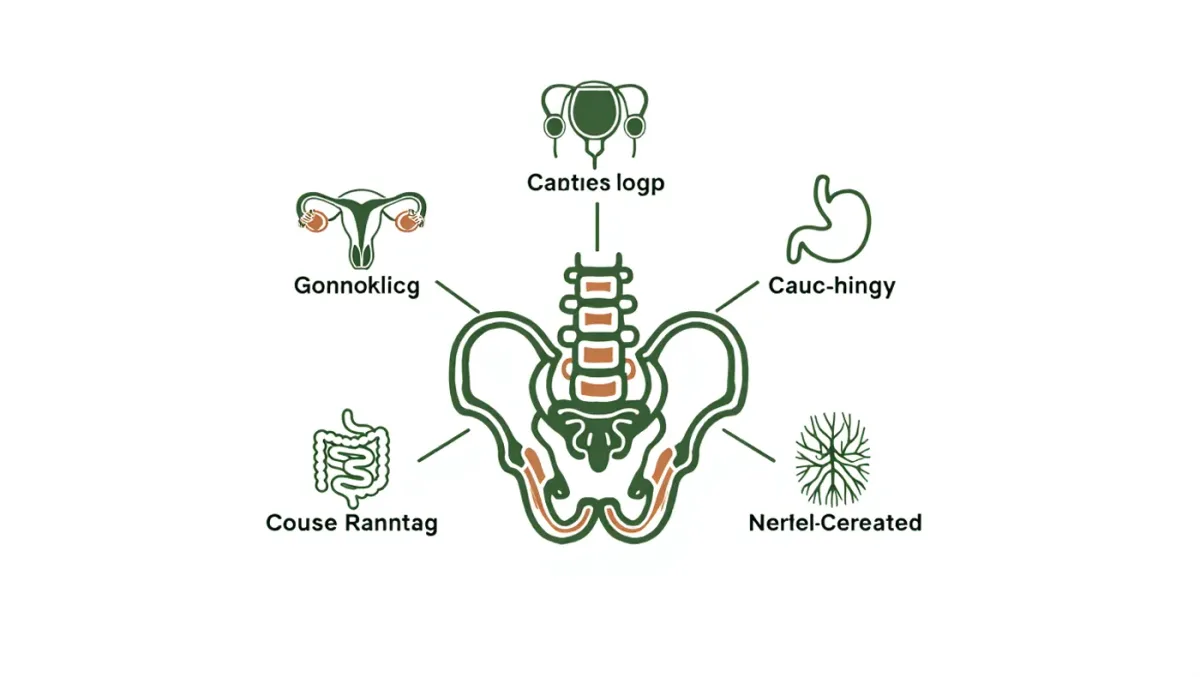
The same page flags referred pain. That means discomfort made somewhere else and felt in the back. The heart, lungs, esophagus, kidneys, and spleen all sit close enough to send pain to the upper back. That fact alone explains a rule. A clinician, not a stretch routine, should size up an unfamiliar ache in this zone.
Two special cases worth knowing
Shingles deserves the first mention. MedlinePlus explains that early signs include burning or shooting pain, tingling, or itching. These usually land on one side of the body. A rash of blisters follows days later, most often as a single stripe around one side. A one-sided band of pain in the upper back, with no injury to explain it, is worth a prompt call.
Spine fractures deserve the second mention. NIAMS notes that osteoporosis weakens bones over the years. Vertebrae can then break from bending, lifting, or even coughing. Warning signs include severe back pain, height loss, and a stooped posture. Sudden, sharp thoracic pain in an older adult is never a stretching problem.
Home care and red flags
For ordinary muscular upper back pain, Cleveland Clinic suggests simple tools. Cold or heat packs come first. Brief rest follows. Gentle stretching and physical therapy help rebuild strength and posture. Over-the-counter pain relievers appear on the list too, as choices to run past a clinician or pharmacist. The page advises an evaluation if pain fails to improve within a week. Fever, unexplained weight loss, or numbness and tingling in the legs or feet also justify a visit.
Some signals justify emergency care. Cleveland Clinic names muscle weakness or paralysis in the legs. Loss of bladder or bowel control is another. Chest pain or trouble breathing is a third. Any of these warrants calling emergency services at once.
Conclusion: calm attention for the upper back
Upper back pain is usually muscular and manageable. Still, the region stands guard over organs that can send pain backward. Respect for that anatomy keeps the picture safe. Useful questions for a provider include whether posture work, imaging, or physical therapy fits a given case.