
Middle back pain usually comes from muscles, ligaments and joints in the thoracic section of the spine, and posture is the single most common driver. Most episodes ease with simple care: more movement, less slouched sitting, heat or cold, and pain relief used as the label directs. Pain that lasts beyond a week, or that arrives with numbness, fever or unexplained weight loss, belongs with a clinician.
The middle back stretches from the base of the neck to the bottom of the rib cage. In medical terms, this is the thoracic spine, a section built mainly for structure and support that moves less than the neck or lower back. That built-in stiffness helps explain why this region hurts less often than the segments above and below it, Cleveland Clinic notes. We covered a connected angle in Stretches for lower back pain: five moves, step by step.
What drives middle back pain: posture first
Strain and posture-related injuries top the cause list. Long hours at a desk, a slouched stance over a phone, or a sudden overload in the garden can fatigue the soft tissues that hold the thoracic spine steady. Repetitive job tasks and sports that stress the same muscles day after day have the same effect.
The pattern is familiar to most clinicians. The pain feels like a dull ache or a band of tightness across the back, it grows through the day, and it eases when the person changes position, stands up or lies down. That daily rhythm is a useful clue that posture, not a joint problem, is at work.
Less-common causes of middle back pain
When pain does not follow that pattern, other causes enter the picture. Cleveland Clinic lists several, from age-related wear to problems that begin elsewhere in the body.
- Osteoarthritis in the small joints of the spine, and inflammatory conditions such as ankylosing spondylitis
- Herniated disks or pinched nerves, which can add sharp pain, tingling or numbness
- Fractured vertebrae, often linked to osteoporosis in older adults
- Spine-shape changes such as scoliosis or kyphosis
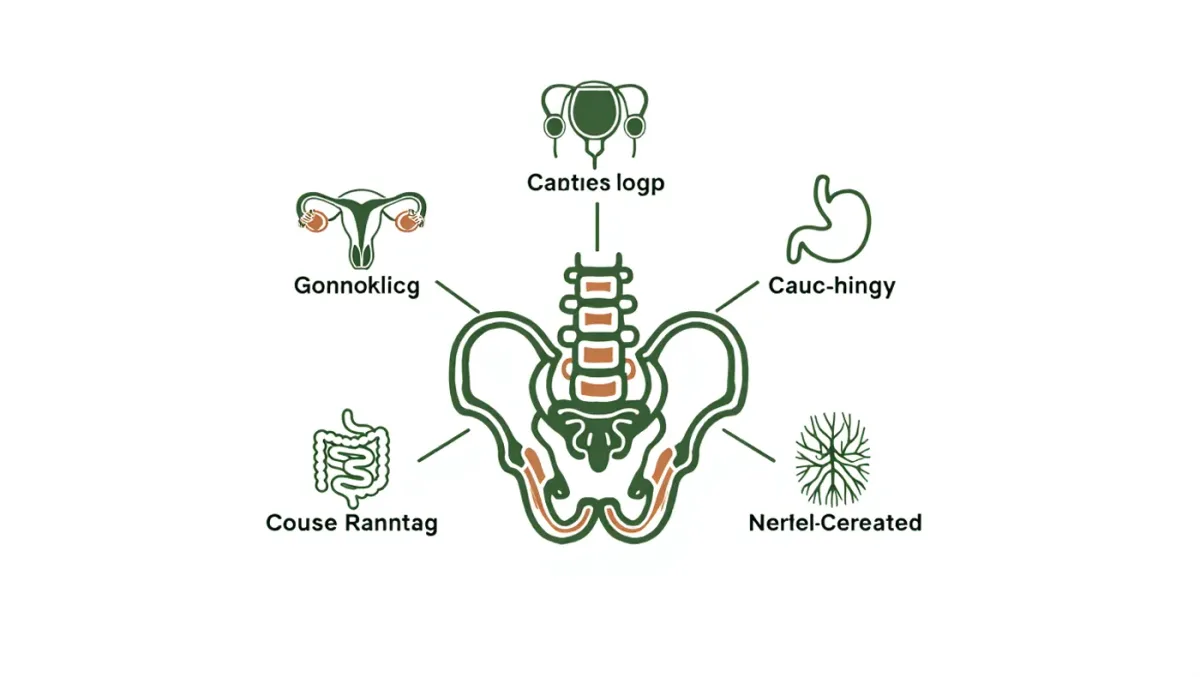
- Referred pain from organs, which is rare but real
What helps middle back pain at home
Simple measures carry most of the load in the first days. Cleveland Clinic points to rest from the aggravating activity, cold or heat packs, over-the-counter pain relievers used as the label directs, and gentle exercise. The NHS adds a broader principle that applies across the back: stay active and keep up normal daily activities, because long stretches in bed tend to slow recovery. A pharmacist can advise on anti-inflammatory tablets, since medicines like ibuprofen do not suit everyone.
Posture work is the preventive half of the plan. Frequent breaks from sitting, screens raised to eye level, and a chair that supports the lower back all reduce the load on the thoracic region. If pain persists, a physical therapist can build a strength and posture programme around the specific problem. Readers following this should also see Lower right back pain: muscle strain or something deeper.
Signs that middle back pain needs prompt care
A small set of symptoms asks for urgent assessment rather than self-care. Cleveland Clinic advises seeing a clinician if the pain lasts more than a week, or if it comes with tingling or numbness in the legs or feet, fever, or unexplained weight loss.
The NHS lists emergency signs for back pain generally: numbness, weakness or pain in both legs, loss of feeling around the genitals, bladder or bowel changes, chest pain, or pain that starts after a serious accident. Any of these warrants emergency care, not a wait-and-see week.
Conclusion: small changes, steady relief
Most middle back pain is a soft-tissue story with a postural plot. Movement, sensible ergonomics and patience settle the majority of cases, while persistent or unusual symptoms deserve a clinician's eyes. Useful questions for that visit: could posture or a workstation be driving this, is imaging needed, and would physical therapy help?