
Starbucks nutrition data covers one of the widest ranges of any menu. A grande Caffè Americano lists 15 calories. A grande Caramel Frappuccino lists 380 calories and 54 grams of sugar. Hundreds of drinks sit between those poles, and each one posts its numbers on the company's menu pages. Custom choices, meaning milk, syrup, and cream, move most drinks by 100 calories or more.
The menu turns with the seasons, and numbers shift with recipes. The nutrition page posted with each drink is the live reference. The figures below come from the current pages.
How the drinks rank
At the bottom sit the plain brews. Hot coffee, cold brew, iced coffee, and tea all list numbers in the single digits. The grande Caffè Americano lists 15 calories with 225 milligrams of caffeine and no sugar. These drinks wake a person up while costing almost nothing in the daily budget.
In the middle sit the milk drinks. A grande Caffè Latte with default milk lists 190 calories and 18 grams of sugar. The iced version lists 130 calories at the same size, because ice claims part of the cup. Starbucks nutrition rankings move with the milk, since the milk does the work here, not the espresso. Flat whites and cappuccinos sit near the latte, with slightly different milk ratios.
The three levers
Starbucks nutrition math bends on three levers. Milk type is the first; nonfat and unsweetened plant milks trim fat and calories from every drink. Syrup is the second; each pump adds sugar, and fewer pumps cut it. Whipped cream is the third; skipping it removes sugar and saturated fat in one move. Asking for fewer pumps is a standard request, and it works at any register. For related coverage, see Panda Express nutrition: plate math and lighter combinations.
None of these levers changes what the drink is. A latte with nonfat milk and no added syrup still tastes like a latte. That is why the levers matter more than the menu name when the goal is a lighter order. This connects to our earlier piece, Chick Fil A nutrition: how to read the menu and order lighter.
Sugar adds up fast
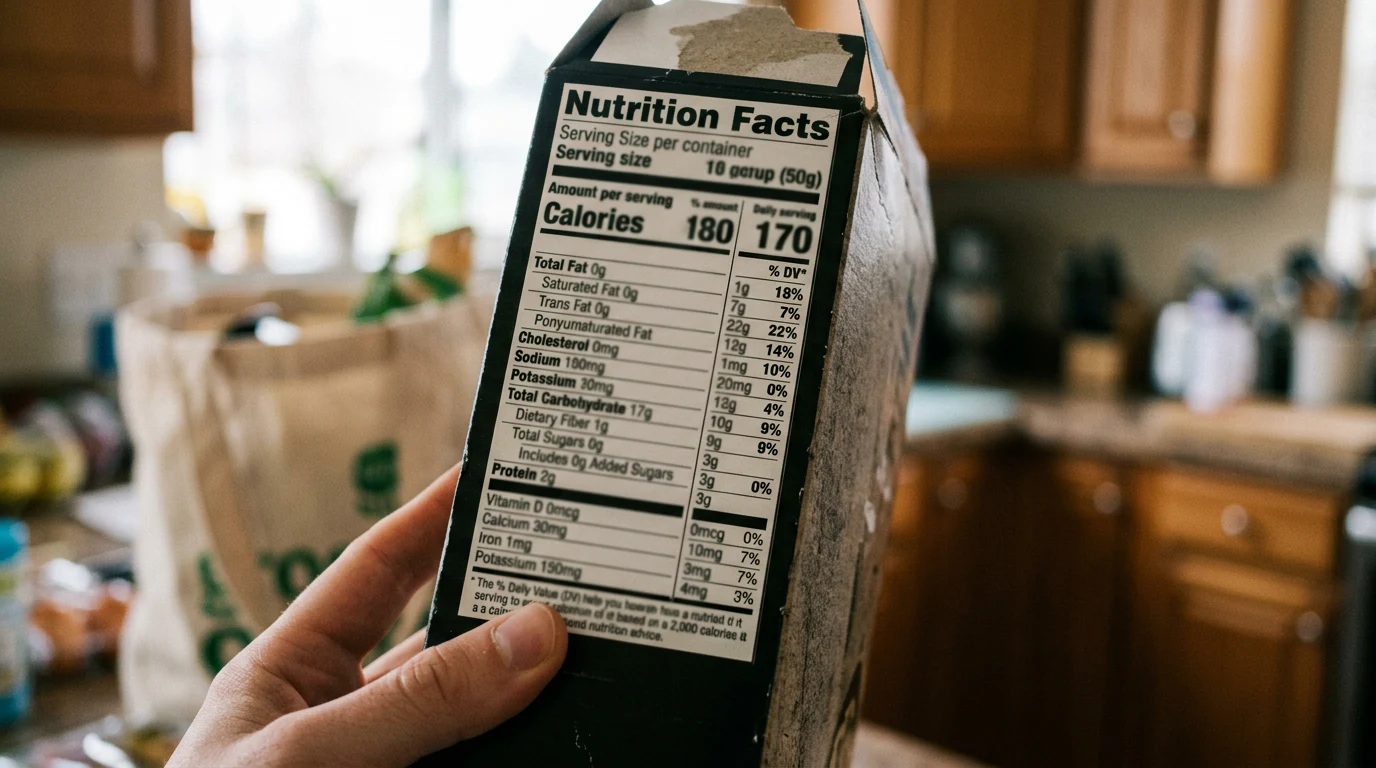
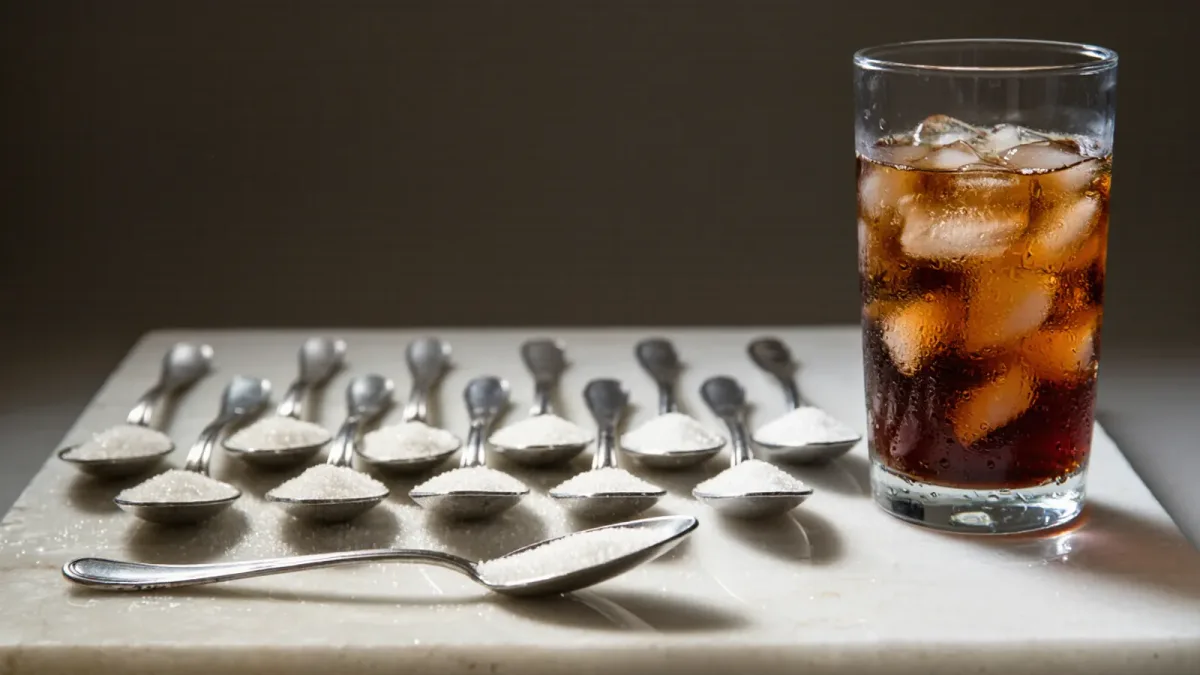
The Caramel Frappuccino shows the top of the range: 380 calories and 54 grams of sugar in a grande. The federal Daily Value for added sugars is 50 grams on nutrition labels. One blended drink can hold more than a full day of added sugar, which puts it firmly in dessert territory. Starbucks nutrition labels tell the sugar story at a glance, which is why the panel beats guesswork.
Syrup is the main driver, and sauce drizzles, whipped cream, and sweetened cold foam stack on top of it. Seasonal drinks follow the same curve. The pattern, not the flavor name, predicts the number: more layers, more sugar.
Orders that stay light
A short list covers most needs. Plain coffee or cold brew for the lowest numbers. A plain latte or cappuccino for milk and protein with moderate sugar. An americano for espresso strength at 15 calories. Unsweetened iced tea for a zero-sugar afternoon. Each of these orders lands at or under about 200 calories, even at larger sizes. The Starbucks nutrition floor sits at the plain brews, and the ceiling is a blended dessert in a cup.
Size is the quiet fourth lever. A tall instead of a grande cuts every number by a quarter or so. Over a week of daily orders, that single change is larger than any swap on this list.
For a sweet tooth, the fix is smaller rather than none. A short size of a favorite blended drink, or half the syrup, keeps the treat inside a coffee-sized budget instead of a dessert-sized one.
Conclusion
Starbucks nutrition ranges from 15 to 380 calories in a single cup, and the difference is almost always a choice. Milk, syrup, and cream are the three levers, and the posted numbers make their effect plain. Plain espresso drinks and milk drinks without syrup sit near the bottom. Blended, sauced, and whipped drinks sit near the top. Reading the label before ordering turns the case from a candy aisle into a coffee bar.