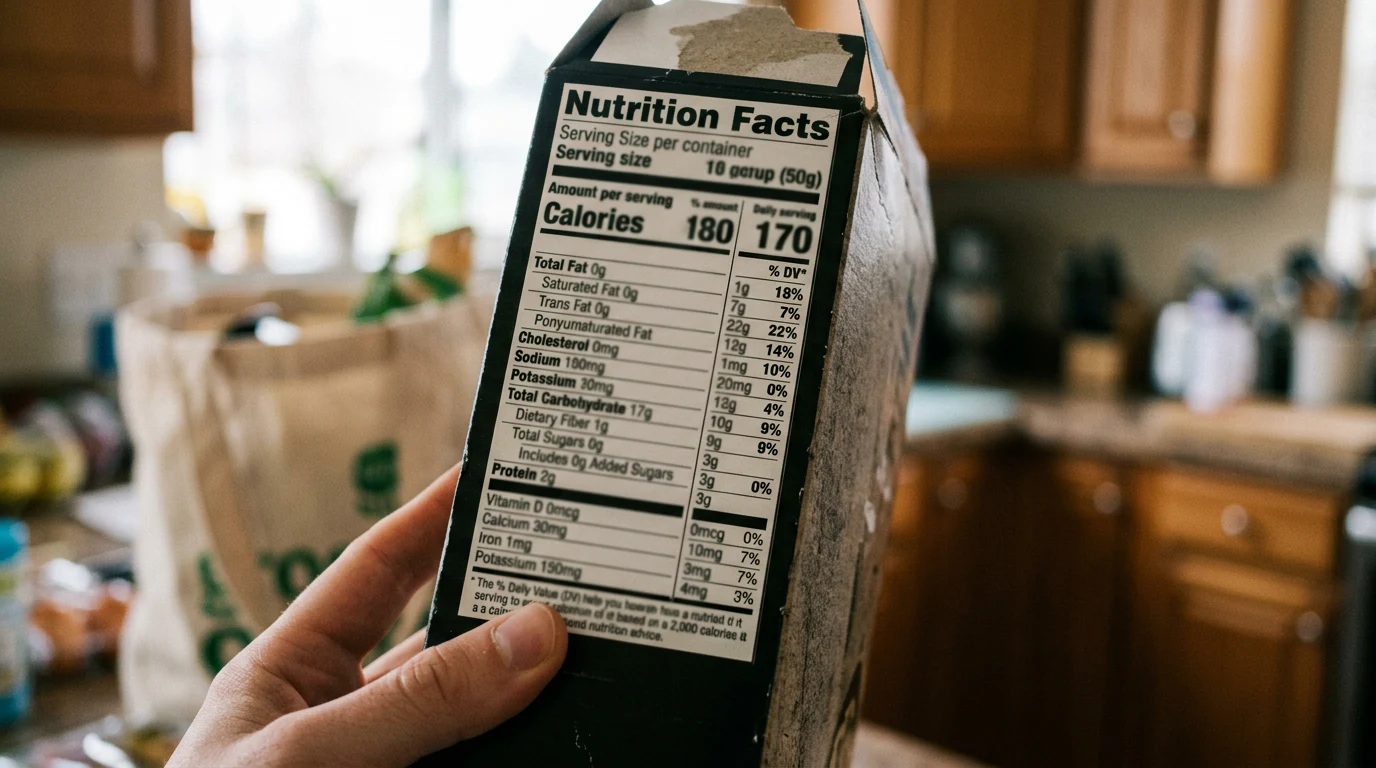

Chick Fil A nutrition numbers are public, and they tell a clear story. The chain posts calories and sodium for every item on its official nutrition guide. Fried chicken items carry the most calories and the most salt. Grilled items, fruit cups, and simple sides carry far less. A person can eat at Chick-fil-A and stay near common daily targets by watching two numbers.
This guide walks through the posted figures and shows how dietitians read them. It also flags the swaps that move the totals most. The menu changes over time, so posted values can shift. The live guide on the company site is always the source of truth, and the figures below come from the current posted page. This connects to our earlier piece, Upper back pain: why thoracic aches behave differently.
What the menu numbers say
Start with the classic sandwich. The Chick-fil-A Chicken Sandwich lists 420 calories and 1,470 milligrams of sodium. The Grilled Chicken Sandwich lists 390 calories and 765 milligrams of sodium. The grill saves only 30 calories here, but it cuts the salt load nearly in half. That single swap is the heart of Chick Fil A nutrition math. The same pattern holds across the whole menu.
Sides tell their own story. A medium order of Waffle Potato Fries lists 420 calories and just 240 milligrams of sodium. Plain potatoes carry little salt, so fries spend calories but not much of the sodium budget. A fruit cup pushes the same direction further. The lightest items on the board sit next to the heaviest ones, which makes the printed panel worth a look before ordering.
Where sodium adds up fast
The Food and Drug Administration sets the Daily Value for sodium at 2,300 milligrams. One classic sandwich uses about two thirds of that budget in a single item. Add fries, a sauce packet, and a sweet drink, and one meal can pass 1,800 milligrams. That leaves little room for the rest of the day.
The 8-count Grilled Nuggets show the other path. They list 130 calories and 440 milligrams of sodium. Lean protein with a light salt load exists on this menu, and it is easy to find. Soups, a dish many people think of as light, run much higher in sodium than most diners expect, so the panel matters there too.
Lighter orders that still satisfy
A few moves do most of the work. Swap a fried filet for a grilled one to cut sodium almost in half. Trade fries for a fruit cup on some days. Keep sauces on the side, since each packet adds sugar and salt. Choose water or unsweet tea over a soft drink. None of these steps feels strict, and each one trims the total.
A sample light lunch makes the gap plain. An 8-count grilled nuggets order, a fruit cup, and water land near 250 calories with under 500 milligrams of sodium. A classic sandwich, medium fries, and a sweet tea land near 1,000 calories with over 1,700 milligrams of sodium. Both are real orders at the same counter. The distance between them is the whole story of choice.
How to read any menu panel
The same method works at any counter. Scan calories for energy and sodium for salt load. Note saturated fat for heart health. Compare two items rather than one, because the better pick is always relative. Check the serving size, since some panels list more than one serving.
Chick Fil A nutrition tables reward this habit more than most, because the spread between items is wide. Two orders that look alike on the board can differ by 300 calories and 1,000 milligrams of sodium. The panel, not the picture, tells the truth.
Conclusion
Chick Fil A nutrition data is clear once the pattern shows. Grilled over fried cuts sodium sharply. Sauce on the side and fruit over fries trim the rest. Water in place of soda removes the easiest empty calories. The official guide carries the final numbers, and it updates when the menu does. Small choices, made with the numbers in view, keep a restaurant meal inside a sensible day.