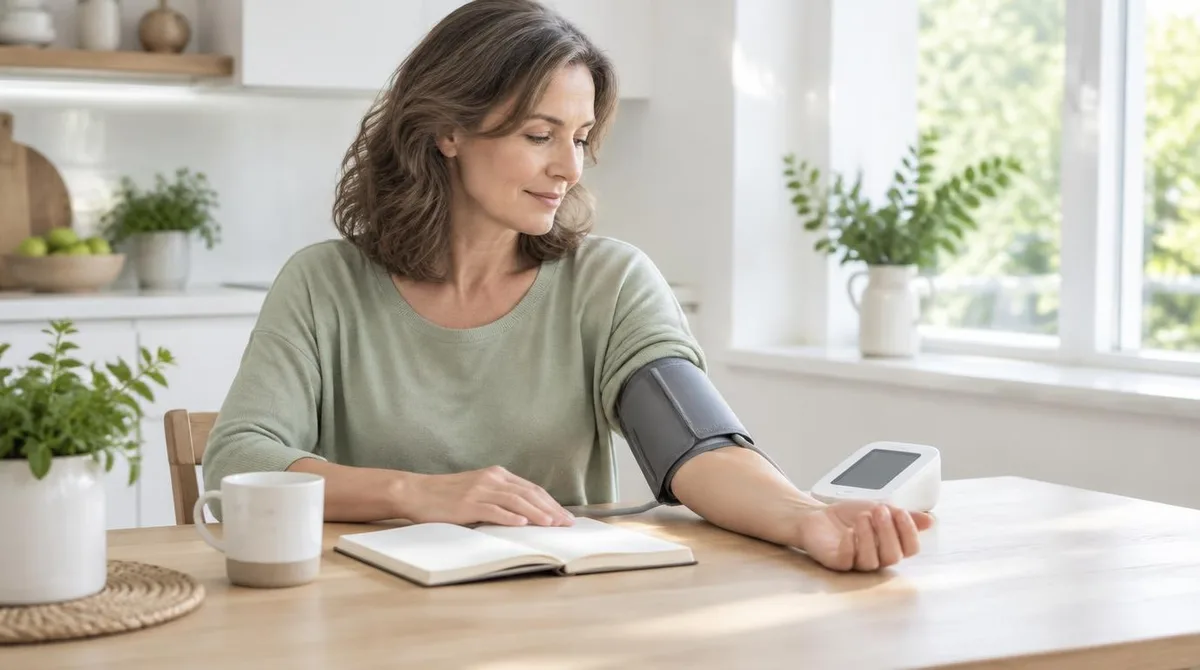
Signs of high blood pressure are usually absent. The Centers for Disease Control and Prevention puts it plainly. High blood pressure usually has no signs or symptoms. Many people do not know they carry it. The World Health Organization agrees. Most people with hypertension feel nothing at all. The dependable sign is a number on a blood pressure cuff, not a feeling.
That silence is the whole challenge. Hypertension quietly strains the heart, brain, and kidneys for years. It produces nothing a person can sense along the way. The honest signs of high blood pressure are therefore numbers, not sensations. Regular measurement is the only early warning that works. Nothing about that sounds dramatic. That is exactly the trap.
Why signs of high blood pressure stay hidden
Blood vessels adapt as pressure rises. The body sends no alarm. The WHO estimates that 1.4 billion adults aged 30 to 79 lived with hypertension in 2024. Roughly 44 percent of adults who have it are unaware of it. The first noticeable event, for many, is a complication. Heart disease, stroke, and kidney damage often arrive in that role. Routine checks exist to break that silent arc early. The global trend runs the wrong way as well. The WHO counts cases rising from 650 million in 1990 to 1.4 billion in 2024.
The numbers that do the talking
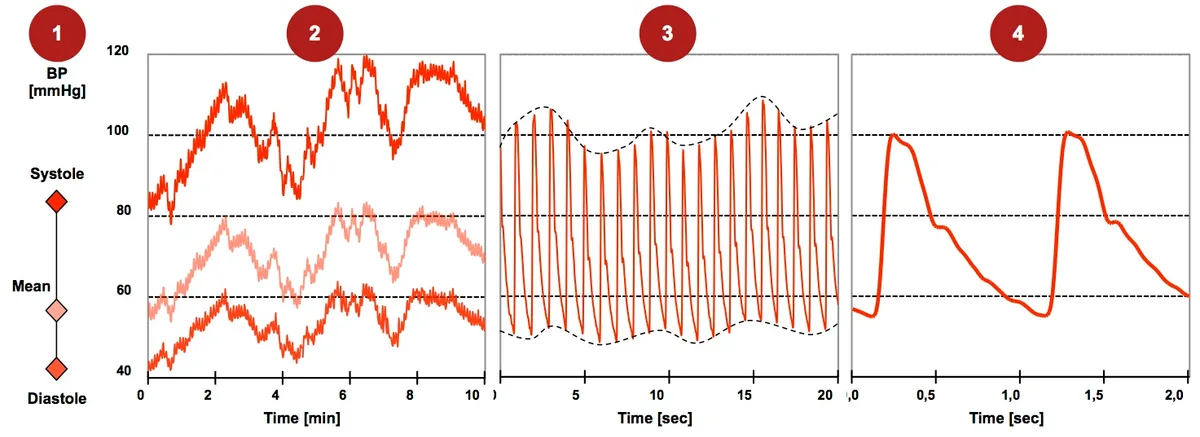
Since feelings fail, numbers carry the diagnosis. The CDC sorts readings this way:
- normal: below 120 systolic and below 80 diastolic.
- elevated: 120 to 129 systolic, still under 80 diastolic.
- stage 1 hypertension: 130 to 139 systolic, or 80 to 89 diastolic.
- stage 2 hypertension: 140 or higher systolic, or 90 or higher diastolic.
- severe hypertension: above 180 systolic, or above 120 diastolic.
The WHO defines hypertension more strictly. It uses 140 over 90 or higher, measured on two different days. The two frameworks differ at the edges. They agree on the deeper point. Only measurement reveals the answer. A single high reading does not end the story, though. The WHO asks for high readings on two different days before using the label. That pause protects against one-off spikes.
Symptoms that appear at crisis levels
Symptoms do exist, usually when pressure climbs dangerously. The CDC lists possible signs of a hypertensive emergency:
- chest pain.
- shortness of breath and back pain.
- numbness or weakness.
- change in vision or difficulty speaking.
The CDC advises calling emergency services when those signs appear. The WHO adds detail at very high readings, around 180 over 120. Severe headaches, chest pain, dizziness, breathing trouble, nausea, blurred vision, and nosebleeds can occur. These warnings are rare. They should never be the awaited first sign of trouble. The CDC separates two cases at the top of the scale. Readings above 180 over 120 without symptoms call for prompt contact with a provider. The same numbers with the symptoms above call for emergency services. Waiting does not soften either case. Readers following this should also see Upper back pain: why thoracic aches behave differently.
How checking works
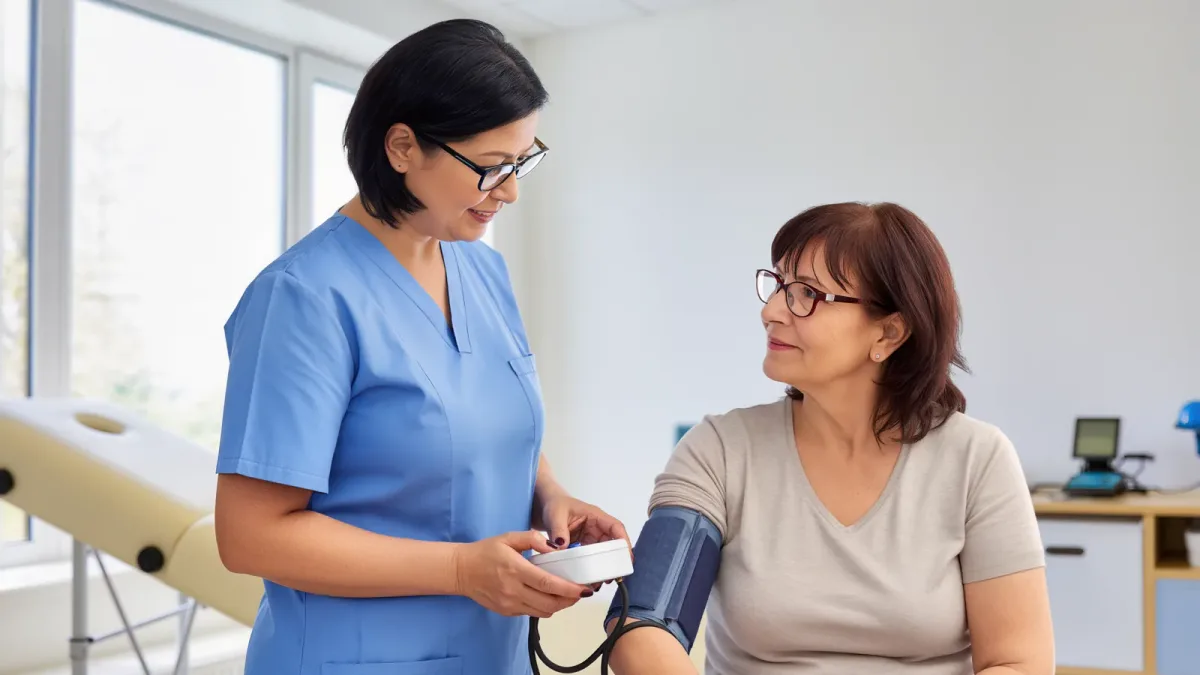
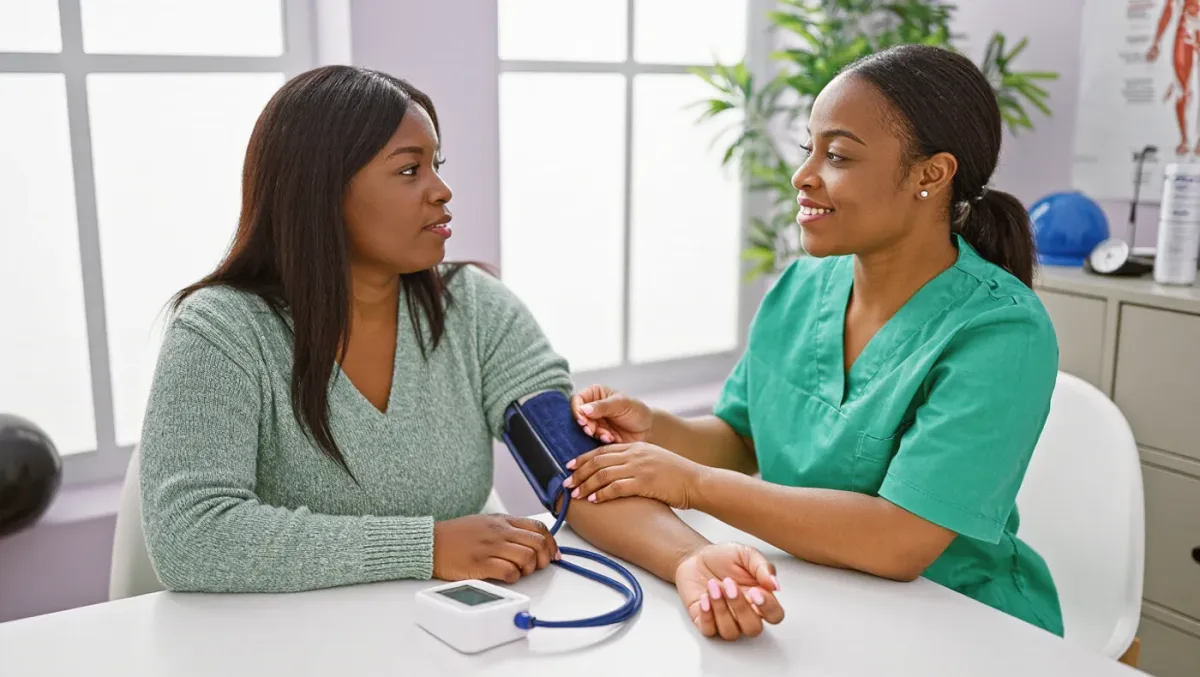
A reading takes minutes. The CDC recommends blood pressure checks at least once a year. About one in three United States adults with hypertension is unaware of it, the agency notes. The National Heart, Lung, and Blood Institute stresses the same silence. Home monitors and pharmacy machines can track trends between visits. Both home and office readings have value. A clinician can confirm that a home monitor reads true. Pharmacy stations can flag a problem between visits. A clinician can name the current category. The same visit can settle how often to measure and what a home log should show.
Risk factors worth knowing
Risk does not arrive at random. The CDC names habits that raise the odds. A diet high in sodium and low in potassium sits first on its list. Too little activity comes next. Heavy alcohol use adds risk as well. Tobacco counts in any form. Smoking, vaping, and nicotine pouches all raise the odds, the CDC states.
Some health conditions raise the odds too. Elevated blood pressure, diabetes, overweight, and obesity lead that list. Pregnancy belongs on it as well. Age, family history, and genetics stay fixed. Race and ethnicity do too, and the CDC names both. Long-term stress, some mental health conditions, and certain medicines add further risk. A clinician can weigh the whole picture and suggest one change at a time. That talk costs far less than any single complication.
Conclusion: measure, do not wait for warnings
The true signs of high blood pressure are statistical, not personal. Millions of adults carry hypertension without a single symptom, the CDC finds. Treating a cuff reading as the real sign reframes the problem. Anyone unsure of recent numbers can make measurement the next scheduled task. The result belongs in a clinician's hands.