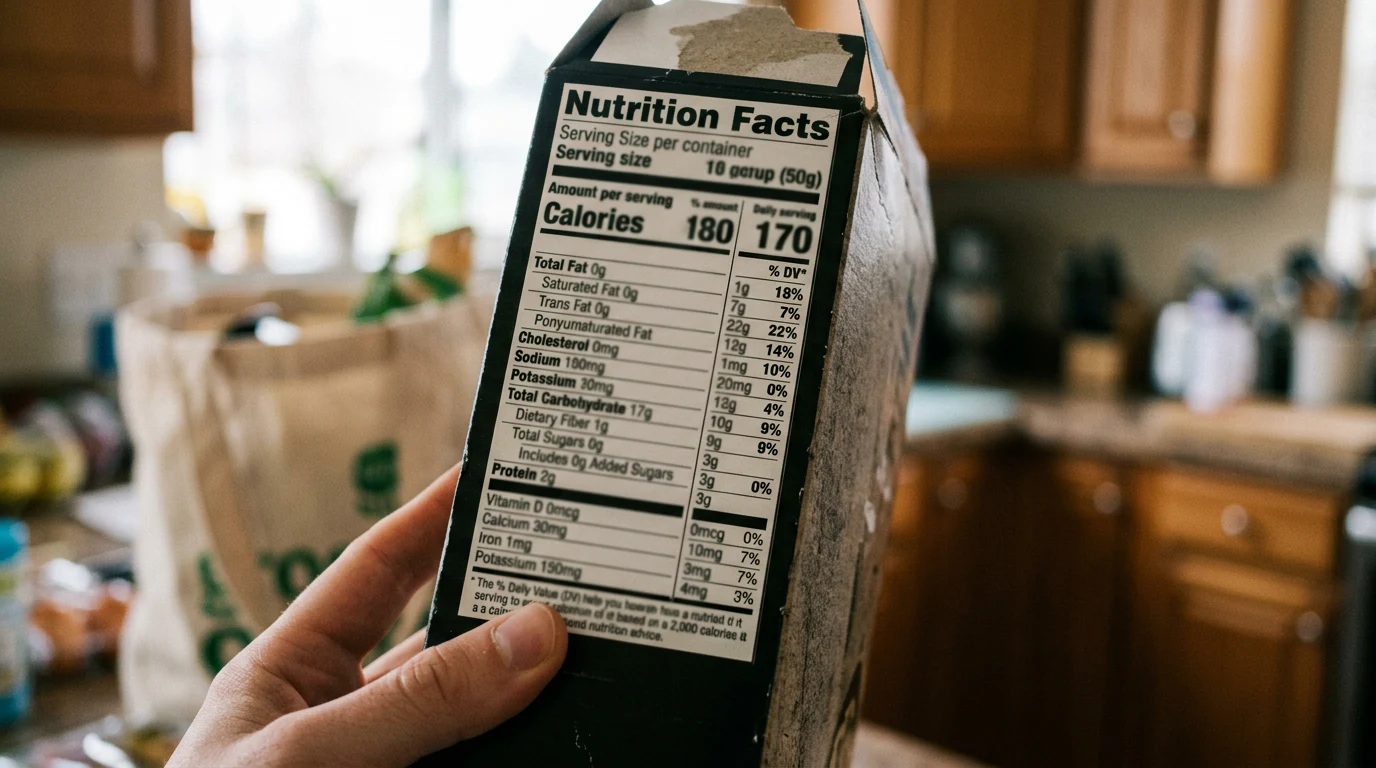

One medium banana weighs about 118 grams. It supplies 105 calories, 27 grams of carbohydrate and 3.1 grams of fiber. Potassium runs to 422 milligrams. The sources are USDA FoodData Central and NIH fact sheets. The banana nutrition facts below group the fruit's numbers into macros, vitamins, minerals and glycemic figures. Each table carries Daily Value context.
Daily Value percentages follow FDA label references. The fiber reference sits at 28 grams. Potassium runs at 4,700 milligrams, vitamin B6 at 1.7 milligrams and vitamin C at 90 milligrams. Every value describes one medium ripe banana unless a line says otherwise.
Banana nutrition facts: the core numbers
The core table sets the base for every section that follows.
- Calories: 105.
- Water: 75 grams, about three-quarters of the fruit's weight.
- Protein: 1.3 grams.
- Fat: 0.4 grams.
- Carbohydrate: 27 grams, with 14.4 grams of sugars and 3.1 grams of fiber.
Two notes on the base table. Water fills most of the fruit. That keeps the calorie count low. The sugars are the fruit's own, since nothing is added at packing.
Vitamins in one medium banana
Vitamin B6 leads the vitamin list by a wide margin.
- Vitamin B6: 0.433 milligrams (25 percent of the Daily Value).
- Vitamin C: 10.3 milligrams (11 percent of the Daily Value).
- Folate: 23.6 micrograms DFE (6 percent).
- Riboflavin: 0.086 milligrams (7 percent).
- Thiamin and niacin: small shares under 5 percent each.
The NIH describes vitamin B6 as a helper for the body's enzymes. Bananas appear on that fact sheet's short list of food sources. A quarter of the Daily Value in one fruit makes B6 the vitamin headline of the banana nutrition facts sheet.
Minerals in one medium banana
Potassium dominates the mineral rows, with manganese close behind on a percentage basis.
- Potassium: 422 milligrams (9 percent of the Daily Value).
- Magnesium: 31.9 milligrams (8 percent).
- Manganese: 0.319 milligrams (14 percent).
- Copper: 0.092 milligrams (10 percent).
The NIH lists bananas among its potassium food sources. That is why the number anchors so many potassium explainers. Magnesium and manganese rarely get headlines, but both land near a tenth of a day's needs per fruit. Copper joins them at the same share.
Glycemic index and glycemic load
The international glycemic index tables list raw banana at a mean GI of 51. That sits below the low-GI cutoff of 55 on the glucose scale. Glycemic load multiplies the GI by the grams of digestible carbohydrate. The product then divides by 100. For a medium banana, 51 times 23.8 grams, divided by 100, yields a load of about 12. Either way, the fruit lands in the low band.
Ripeness bends both figures. Unripe banana pulp runs close to half its dry weight as resistant starch. A PMC-indexed review describes that starch as resistant to enzyme digestion. As the fruit ripens, the starch converts to free sugars, and the glycemic behavior edges upward.
Ripeness data: starch, sugar and firmness
The banana nutrition facts hold steady on calories across the counter. The carbohydrate character underneath does not. Green fruit holds more starch and less sugar. Brown-speckled fruit reverses the two. Firmness drops along the same curve. Bakers notice it as softer, sweeter mashing. For related coverage, see Chicken breast nutrition by preparation: protein per gram and more.
Peel color works as the practical readout. Green tips signal lingering starch. Full yellow balances the two forms. Heavy speckling flags peak sugar. A nutrition label averages across that whole curve. It cannot show the drift.
Bakers put the drift to work. Firmer fruit holds its shape in slices. Riper fruit melts into batter and sweetens it on its own. Same fruit, same calories, two different jobs.
Potassium in daily context
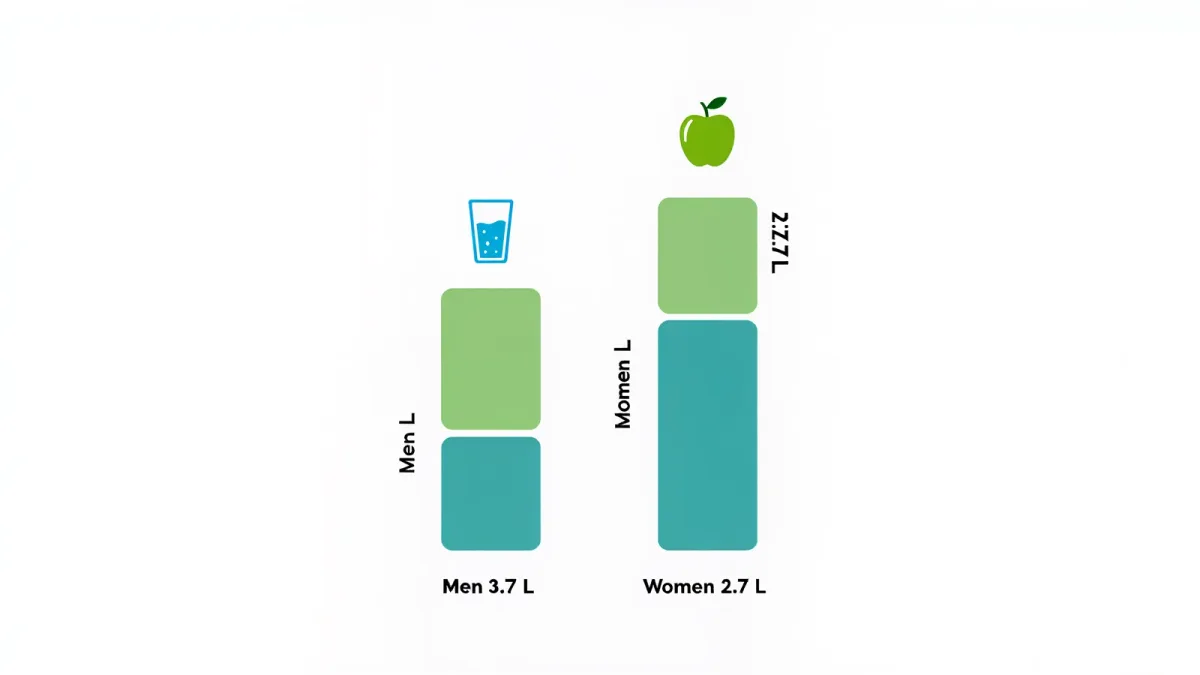
The NIH sets Adequate Intakes for potassium at 3,400 milligrams for men and 2,600 for women. The Daily Value of 4,700 milligrams is a separate label figure. Many people in the United States fall short of both marks, the agency reports.
The intake matters beyond the label. Low potassium intake raises the risk of high blood pressure, most when the diet also runs high in sodium. The NIH states that more potassium and less sodium may help lower blood pressure. It may also cut the risk of stroke. One banana supplies 422 milligrams toward the goal, along with the B6 and fiber noted above. We covered a connected angle in Taco Bell nutrition guide: the numbers and lower-sodium builds.
The math stays plain. One banana moves the daily tally by 422 milligrams. A second fruit moves it again. Small servings across the day add up the same way.
Conclusion: banana nutrition facts, summarized
Per medium fruit: 105 calories, 27 grams of carbohydrate, 3 grams of fiber and 422 milligrams of potassium. Vitamin B6 covers a quarter of its Daily Value, and the glycemic index reads 51. Ripeness shifts starch into sugar without moving calories much. The tables above hold the core numbers a label-reader needs.