
Type 2 diabetes happens when the body cannot make enough insulin, or when cells stop responding to insulin properly. Insulin is the hormone that moves glucose, a simple sugar, from the blood into cells for fuel. When that system falters, glucose builds up in the bloodstream and slowly damages blood vessels and nerves.
The early symptoms of type 2 diabetes are often mild, and some people notice nothing at all. That is the central challenge with this condition. According to Medical News Today, the onset can be gradual, so many people do not realize they have it until a complication appears. Learning the early signs — and knowing when to ask a clinician about a blood sugar check — is the most practical step a person can take.
What are the early signs of type 2 diabetes?
The most widely recognized early signs follow a chain reaction. High blood sugar makes the kidneys work harder to filter the excess glucose out. That pulls water with it, which leads to the first two symptoms. We covered a connected angle in Adjustment Disorder With Anxiety: Criteria, Duration and What Helps.
- Frequent urination. The kidneys remove extra sugar through the urine, so a person may need to urinate more often, especially at night.
- Increased thirst. Losing that extra water causes dehydration, which makes a person thirstier than usual.
- Frequent hunger. When glucose cannot move into cells, the body keeps asking for fuel, so hunger persists even after eating.
- Fatigue. Cells starved of glucose have less energy, and the result is a tiredness that rest does not fix.
- Blurry vision. Excess sugar can damage tiny blood vessels in the eyes and can swell the lens, blurring sight in one or both eyes.
These signs can appear together or one at a time. Any of them that lasts more than a few days is worth mentioning to a doctor or nurse.
What symptoms show up later?
If blood sugar stays high for a long time, the signs tend to shift from subtle to physical.
- Slow-healing cuts and wounds. High blood sugar damages nerves and blood vessels, which impairs circulation. Small wounds may take weeks or months to heal, and slow healing raises the risk of infection.
- Tingling, numbness, or pain in the hands or feet. This is called neuropathy, which means nerve damage. It can worsen over time without treatment.
- Patches of darker, velvety skin. These patches form in skin creases such as the neck, armpits, or groin. The condition is known as acanthosis nigricans, and Healthline's overview of early warning signs explains that excess insulin in the blood causes it, which is why it often appears alongside insulin resistance.
- Itching and yeast infections. Sugar in the blood and urine feeds yeast, so infections show up in warm, moist areas like the mouth, genitals, and armpits.
- Dry mouth and frequent infections. Gum, skin, and urinary infections occur more often when blood sugar runs high.
The American Diabetes Association lists these same core symptoms — frequent urination, extreme thirst, extreme hunger, fatigue, blurry vision, slow-healing cuts, and tingling or numbness in the hands or feet — and notes that some people have symptoms so mild they go unnoticed.
Why early symptoms are easy to miss
Two features of type 2 diabetes make it slippery. First, the symptoms are ordinary. Most people feel tired or thirsty sometimes, and there is no alarm bell. Second, the condition can run quietly for years while blood sugar does its slow damage.
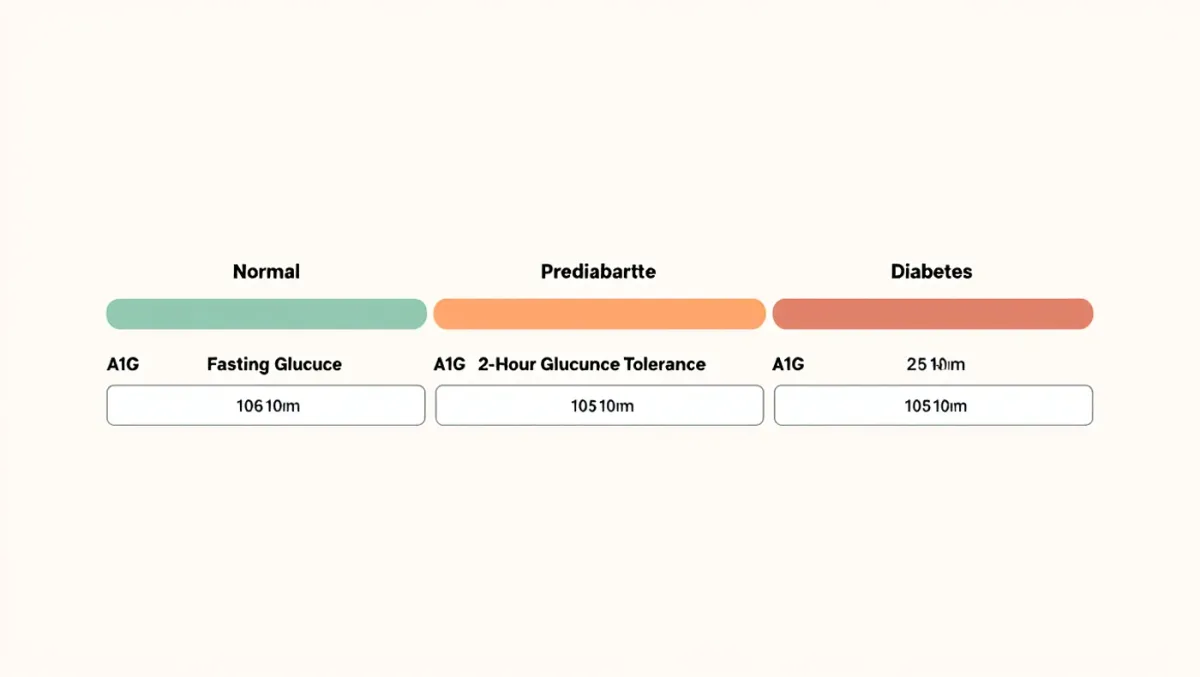
That quiet period is exactly why screening matters. Catching high blood sugar early — or catching prediabetes, where levels are elevated but not yet in the diabetes range — opens a window for treatment and lifestyle change. Early diagnosis and management can greatly improve health and reduce the risk of complications, as the Medical News Today review notes. For related coverage, see Low Back Pain ICD 10 Codes: What M54.5 Means and Why It Matters.
Who should ask about screening?
Anyone can develop type 2 diabetes, but certain factors raise the risk. Per the Medical News Today review, these include being age 45 or older, living a sedentary lifestyle, having overweight or obesity, eating an unbalanced diet, having a family history of diabetes, having polycystic ovary syndrome, having a history of gestational diabetes, heart disease, or stroke, and having prediabetes.
Risk is not spread evenly. The American Diabetes Association reports different rates of confirmed diabetes diagnoses among adult groups in the United States, from 13.6% among American Indian/Alaskan Native adults to 6.9% among non-Hispanic white adults. A person's own risk profile, not a general average, is the right thing to discuss with a clinician.
The condition typically develops in adults over 45, but it is becoming more common in younger adults, teens, and children — so age alone is not a reliable filter.
What does prevention look like?
Prevention and management draw on the same levers. The Cleveland Clinic describes the core parts of managing type 2 diabetes as lifestyle changes, medication, and glucose monitoring, with care guided by a team that may include a primary care physician, a dietitian, and a certified diabetes care and education specialist.
On the lifestyle side, the Cleveland Clinic notes that regular physical activity lowers blood sugar in the short and long term, improves blood flow and blood pressure, and supports stress management, with a general goal of at least 150 minutes per week of moderate-intensity activity. It also recommends talking with a provider before starting an exercise program, especially for people who take insulin. On the food side, the Clinic points to lean proteins, non-starchy vegetables, sources of monounsaturated and polyunsaturated fats, and complex carbohydrates as foods that support healthy glucose levels.
For people with prediabetes, the American Diabetes Association points to structured Diabetes Prevention Programs, which it says can cut the risk of developing diabetes in half. That is a conversation worth starting with a primary care provider rather than a solo project.
What this means: questions to ask and signs to watch
There is no cure for type 2 diabetes, but the Cleveland Clinic is clear that it can be managed so blood sugar stays in a healthy range. The practical takeaway is to treat persistent, ordinary symptoms as information rather than noise.
Reasonable questions to bring to a clinician include:
- Do my symptoms — thirst, fatigue, urination, or blurred vision — warrant a blood sugar test?
- Given my age, family history, and health history, how often should I be screened?
- Do I have prediabetes, and if so, what should I do about it?
Some situations call for prompt attention rather than a routine appointment. Seek care quickly for sudden vision changes, numbness or open wounds on the feet, signs of infection, or symptoms of very high blood sugar. Untreated diabetes can lead to heart disease, stroke, kidney disease, eye disease, and a severe complication called hyperosmolar hyperglycemic syndrome, which usually requires hospitalization and tends to affect older people.
The encouraging part is that the same early signs that make this condition easy to overlook also make it catchable. A simple conversation with a healthcare provider, and a blood test if one is warranted, turns a silent condition into a managed one.